


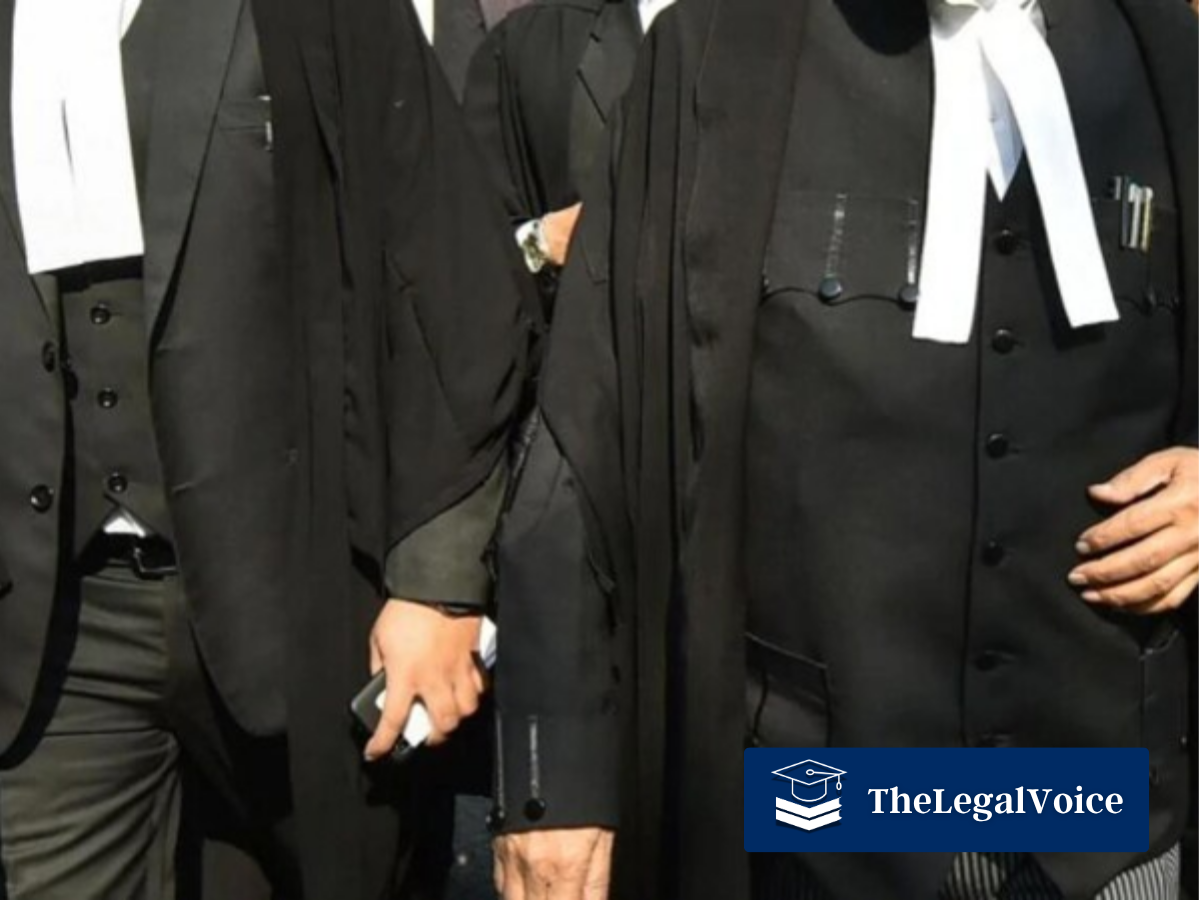
Is every lawyer an advocate? Supreme Court answers
Judgment clarifies distinction: only enrolled, practising advocates enjoy privilege and right to appear before courts
The Supreme Court has reaffirmed a foundational distinction in the Indian legal profession: while all advocates are lawyers, not every lawyer is an advocate. In its recent judgment, the Court clarified that only those enrolled with a State Bar Council and practising independently—rather than as salaried in-house legal employees—qualify as “advocates” under Indian law and are entitled to professional privileges, including attorney-client privilege under Section 132 of the Bharatiya Sakshya Adhiniyam (BSA).
The Court explained that persons holding law degrees who are employed full-time as in-house counsel do not meet the statutory definition of an “advocate.” This is because advocacy demands independence of judgment and a duty to the court, qualities undermined by the master-servant relationship within an organization. Once a law graduate enters full-time salaried employment, they must discontinue advocacy, and even if remaining enrolled, they cannot function as advocates until resignation from employment.
Thus, while a lawyer may draft contracts, advise clients, or teach law, only an enrolled and practising advocate may appear before courts and enjoy legal privileges attached to advocacy. Internal communications of in-house counsel remain confidential but do not receive the same legal privilege as communications with external advocates. This distinction, the Court noted, ensures the core value of independence that defines the status and responsibilities of an advocate in law.