



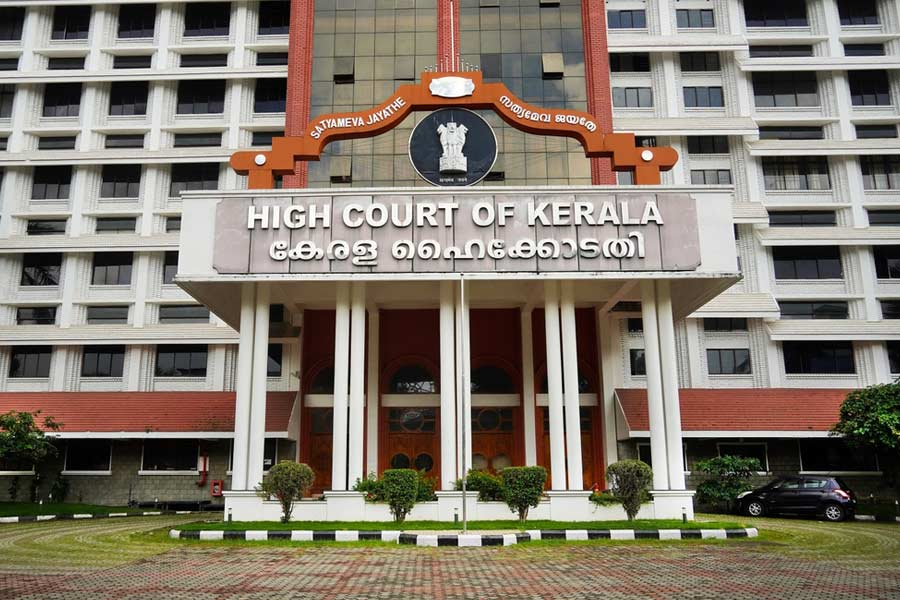
Kerala High Court: Trial Judge Must Personally View Video Evidence in Obscenity Cases
Conviction for distributing obscene videos set aside as courts failed to verify content firsthand under IPC Section 292
The Kerala High Court recently ruled that during criminal trials involving allegations of distributing obscene videos, the trial judge must personally watch the video evidence to verify whether the content is indeed obscene as claimed. This ruling came in the case of Harikumar v. State of Kerala, where the accused had been convicted for renting out video cassettes alleged to contain obscene content without the trial court first viewing the videos.
Justice Kauser Edappagath observed that the trial court could not lawfully conclude that the accused was guilty of possessing obscene material without personally examining the videos. In prosecutions under Section 292 of the Indian Penal Code (IPC), the court must be satisfied that the video contains obscene scenes appealing to prurient or lewd instincts, which requires the judge’s direct viewing of the content.
In this case, Harikumar was convicted and sentenced based on the testimonies of witnesses and officials who examined the material, without the court itself viewing the cassettes. The High Court held that video cassettes constitute primary evidence under the Indian Evidence Act, 1872, and the court’s independent examination was necessary to form a substantive basis for conviction.
Since neither the trial nor the appellate court viewed the videos, the High Court held the conviction and sentence legally unsustainable and set aside the conviction.
This judgment underscores the legal requirement that courts must personally inspect and verify video evidence when obscenity charges are involved, ensuring convictions rest on substantive, firsthand judicial evaluation rather than solely on witness reports.
Advocate MP Madhavankutty represented Harikumar, while Public Prosecutor Sangeetha Raj NR appeared for the State.