


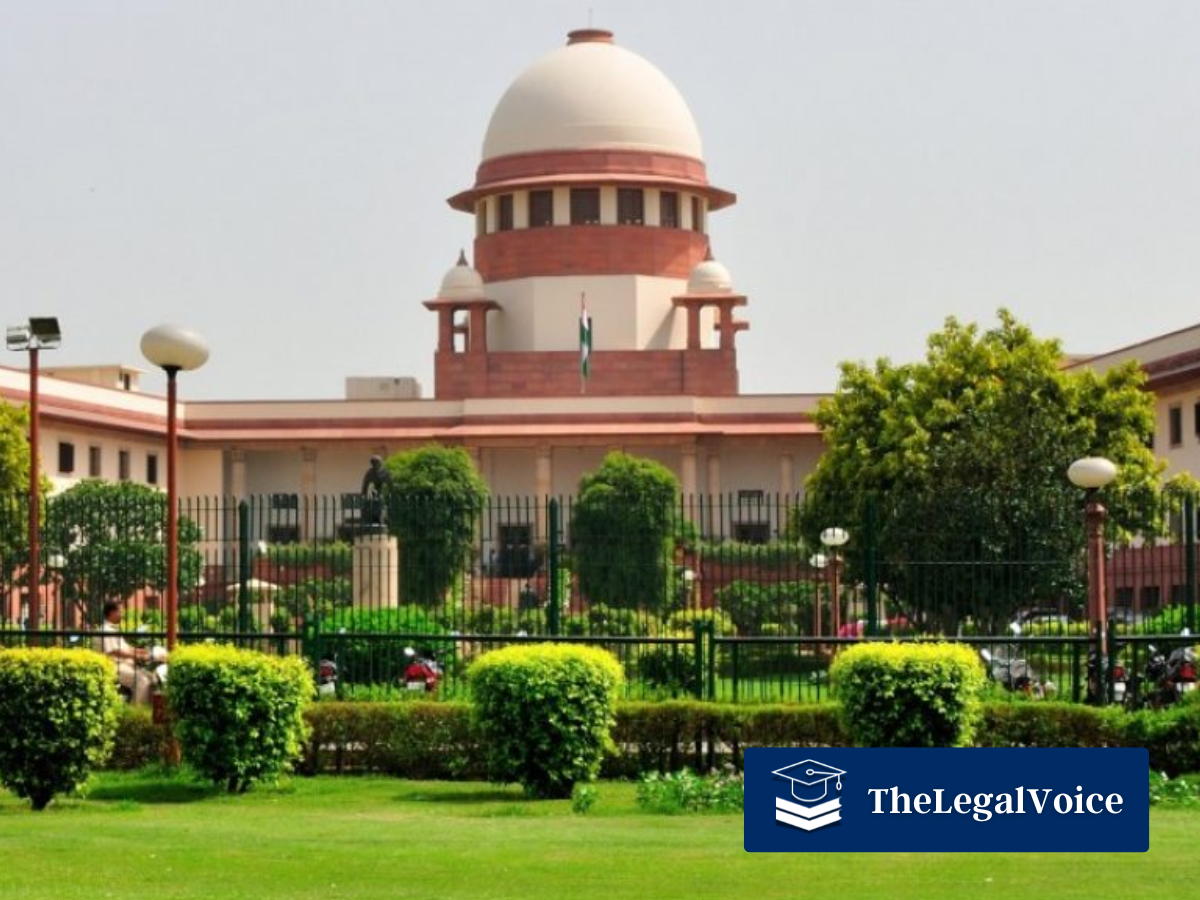
Supreme Court issues safeguards to curb police intrusion into lawyers’ digital devices
Court mandates police to seek judicial approval before accessing lawyers’ digital devices, protecting confidential client information
The Supreme Court has ruled that for investigative purposes under Section 94 of the Bharatiya Nagarik Suraksha Sanhita (BNSS), police must direct lawyers to produce digital devices such as phones or laptops only before the jurisdictional court, which will decide on any objections regarding access. The Bench of Chief Justice BR Gavai and Justices K Vinod Chandran and NV Anjaria emphasized that this safeguard is necessary as lawyers’ devices often contain sensitive information related to multiple clients.
The jurisdictional court is required to hear both the advocate and the concerned parties before ruling on police requests to access the devices. If objections are overruled, the device can only be examined in the presence of the lawyer, client, and a digital technology expert appointed by them.
The Court stressed that confidentiality concerning other clients must be maintained and discovery limited to information permissible and relevant to the investigation. These directions stem from a suo motu case focusing on the summoning of lawyers during criminal investigations and concerns over seizure of documents and digital equipment.
The ruling reinforces lawyer-client confidentiality rights and establishes strict procedural safeguards against unauthorized police intrusion into lawyers’ digital data.